The Retail Energy Customer Relationship Runs Through the Inbox
Email can help a retail energy provider earn an enrollment, explain a surprising bill, keep a customer through renewal, and reconnect after they leave. The real opportunity is in how those moments fit together. When a provider understands what’s happening in a customer’s account, it can send something more useful than another reminder or promotion.
Email starts before someone enrolls
Someone who enters an email address during enrollment has already taken a meaningful step. If they leave before finishing, a follow-up can bring them back to the plan they were considering and address what may have stopped them. Perhaps they had a question about the start date, a deposit, or how the rate works at their expected usage.
An offer might help, but it shouldn’t be the default response to every unfinished enrollment. Some people were going to return on their own. Others need clarity more than a discount. And if the email takes them to a page where they have to find the plan again or reenter everything, the provider has given them another reason to walk away.
What about visitors who never gave you an email address?
Some platforms offer ways to identify and email visitors who didn’t provide personal information directly to the provider. That opens another acquisition option, but it also raises a more basic question: will the person understand why they’re hearing from you?
Match quality, privacy rules, vendor data practices, and the customer’s likely reaction all deserve scrutiny. The fact that a platform can supply an address doesn’t mean the resulting email will build a relationship. [1]
The first bill is part of the welcome experience
Most providers already send the essentials: enrollment confirmations, bills, amounts due, and payment receipts. Customers need those messages. They also need help with the questions that tend to surface when the first bill arrives.
What dates does it cover? When did service begin? Where can they see their usage? If the plan includes a bill credit at a particular usage level, what happens when they don’t reach it? A customer who understands those details at enrollment can still be caught off guard when they see the charge in dollars.
Welcome emails can prepare people for that first bill and show them how to manage their account. It’s a better start to the relationship, and it may prevent questions that would otherwise turn into service calls.
A usage chart is a start. The explanation is what helps.
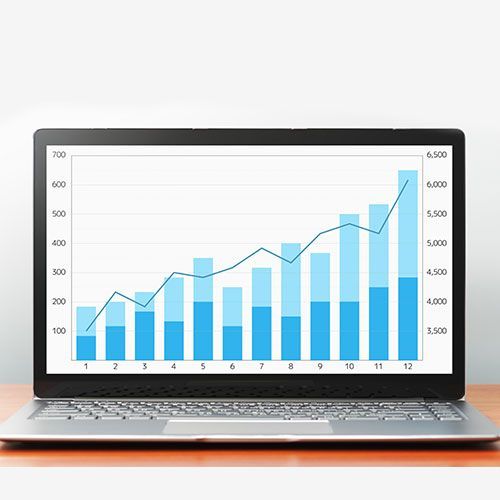
A monthly email showing kilowatt-hours used or dollars spent gives customers information they could already find on their bill. The harder and more valuable job is helping them understand what changed.
Take a customer whose daily usage climbs during a stretch of hotter weather. Put their usage and local temperatures on the same timeline, and a pattern may become clear. The email can explain that hotter days may have increased cooling demand, show when the change occurred, and point to a more detailed account view. A decrease during milder weather deserves an explanation, too. It shows the provider is paying attention to the customer’s experience, not merely looking for a reason to send a high-bill warning. Heating and cooling degree days are commonly used to assess weather-related energy demand, while granular meter data can show when consumption changed. [2][3]
The language has to match the evidence. A meter can show that use rose on several hot afternoons. It cannot, on its own, prove that an air conditioner caused the increase. If the weather was similar across two periods, blaming it for a higher bill is especially unhelpful. The customer may have had guests, changed a routine, started charging an electric vehicle, or developed an equipment problem. The provider may have no way to know.
A good email is comfortable with that uncertainty. “Your usage rose on the hottest afternoons this month” is useful. “Your AC running longer caused your higher bill due to higher temperatures” is a much stronger claim. Customers can tell the difference between an explanation grounded in their account and a guess presented as fact.
The bill itself needs the same care. Did this billing period have more days? Did consumption rise, or did the amount owed change because of pricing or other charges? On a time-of-use plan, did more usage fall during higher-priced hours? A customer asking why the bill went up needs the provider to separate those possibilities, not send a chart and leave them to work it out.
The customer’s plan changes the story
Two households can have similar usage patterns and need entirely different emails. A customer close to a bill-credit threshold may want to understand how that threshold affects the bill. Someone on a time-of-use plan needs to know when electricity was used. A demand response invitation might be relevant to one customer and unavailable to another. A new customer may not have enough history for a meaningful comparison at all.
Providers have much of the context needed to make these messages better: usage, billing history, plan terms, location, program eligibility, and where the customer is in the relationship. The point isn’t to show off how much data the company has. It’s to choose the few details that answer the question the customer is likely to have.
Timing matters, too. A note that usage is running above its usual pattern can give someone a chance to investigate before the bill arrives. An explanation after the bill may still help, but it cannot prevent the surprise.
Where AI fits
This is a promising use for AI, provided the provider is clear about the job it’s being given. Analytical tools can spot changes in usage and compare them with weather, billing, and plan data. Generative AI can help turn a verified finding into a clear explanation that fits the customer’s situation. At scale, that could make a more thoughtful usage email possible for far more customers.
But finding a pattern and knowing its cause are different things. An AI-generated message shouldn’t invent a household habit, assume which appliance was running, or describe a credit that doesn’t apply to the customer’s plan. It also shouldn’t sound certain when the data supports only a possible explanation. Generative AI can produce fluent, inaccurate statements, which is why people with knowledge of the plans, billing rules, and customer experience need to shape what the system says and review the results. [4]
The aim is a smarter email, not a longer one. A customer should come away knowing what the provider observed, what it might mean, and whether there’s a useful next step. If that helps resolve a question before the customer calls, or makes a future bill less surprising, the email is doing real work. Those outcomes depend on the quality of the data and the explanation. AI alone doesn’t deliver them.
Give customers a reason to pay attention between bills
If nearly every email asks for a payment or promotes a plan, customers learn what to expect from the inbox. There’s plenty more a provider could use it for: explaining an account feature, sharing advice that fits the season, inviting an eligible customer into a demand response program, or reminding someone about a referral benefit.
The test is whether the message makes sense for that person at that moment. A demand response invitation should go to someone who can participate. A usage tip should fit the pattern it describes. A referral request will feel tone-deaf if the customer is waiting for a billing problem to be resolved.
That requires the provider to see the relationship beyond a single campaign. Frequency, service history, eligibility, and timing all affect how an otherwise reasonable email will land.
Market and weather updates need a different voice
Extreme heat, an approaching storm, or a grid notice can make a provider’s email immediately valuable. Customers want to know what’s happening, what it means for them, and where to find current information. They don’t need dramatic language that makes an uncertain situation sound worse.
Precision matters here. For example, an ERCOT Weather Watch is an early notice about forecasted conditions and potentially higher demand while grid conditions remain normal. It is not an emergency alert. If there’s a delivery outage, the provider should also make clear where the transmission and distribution utility fits in and where customers can check restoration information. [5]
These emails will be judged against what happens next. A measured, useful message can earn trust. An alarming or misleading one can lose it quickly.
Let customers reply
Many marketing emails are built as a one-way channel, even when the message itself might prompt a question. Giving customers a way to reply can make email more useful, as long as those replies reach people who can answer them.
The questions also tell the provider where its explanations are falling short. If customers keep asking why their bills changed, how a credit works, or where to renew, that may call for clearer emails, account pages, FAQs, articles, or social content. Sometimes the answer is an operational change. A better explanation helps, but fixing the thing that keeps confusing customers helps more.
While a replacement for human response, mining and analyzing this information from customers is another efficient and effective use of AI tools.
Retention starts long before the renewal email
Customers don’t wait for a contract-expiration notice to decide whether they’re happy. A bill they can’t explain, a question that goes unanswered, or a frustrating account experience can get them looking around months before renewal.
That makes ordinary email part of retention. Clear usage explanations, timely service updates, and messages that help people use their accounts all contribute to the decision to stay. Replacing a customer also means paying to acquire another one, so the value of that work extends beyond the email program itself.
When it is time to renew, make the choice easy to understand and easy to complete. The email should describe the actual offer, then take the customer directly into an authenticated account or another short path where they can review the terms and act. A strong offer loses force if the customer has to search for it after clicking. Required expiration notices have their own role, and providers must meet the rules that apply in their markets. Texas, for example, has specific contract-expiration notice requirements. [6]
Former customers are still worth understanding
Someone who left may be open to returning, particularly when a later contract approaches its end. A winback message around 12 or 24 months may make sense for some former customers. It should still reflect what the provider knows about why they left, whether they can be served now, and whether they want to hear from the company.
A lower rate won’t fix a billing experience that drove someone away. An offer tied to an old address won’t help a customer who has moved out of the service area. The most useful winback programs treat churn as information, not just a list of names to contact again.
The work is in connecting it all
Email touches enrollment, billing, usage, service, and retention. Those teams and systems don’t always share information quickly enough. A customer may receive a renewal pitch after renewing, a referral request while a complaint is open, or a high-usage warning based on incomplete data. Each mistake makes the next email easier to ignore.
It also takes more than open and click rates to know whether the program is helping. Apple’s Mail Privacy Protection limits what an open can tell a sender, and mailbox providers have requirements for commercial email. Completed enrollments, customer questions, service contacts, renewal decisions, complaints, and longer-term customer value offer a more meaningful view of the work. [7][8]
For retail energy providers, email is one of the clearest places to show customers that the company understands their account. That’s especially true when a bill changes and they want an explanation. Better data and AI can help providers recognize those moments and respond at scale. Experienced people are still needed to decide what the information means and say it in a way a customer can trust.
Sources and Notes
- Retention.com, “What is email-based retargeting?”; Federal Trade Commission, CAN-SPAM compliance guide; California Privacy Protection Agency, CCPA rights. The vendor describes a capability. Its availability does not establish that a particular provider’s use is appropriate or lawful.
- U.S. Energy Information Administration, “Degree-days”. Explains how heating and cooling degree days are used to assess weather-related energy demand.
- Smart Meter Texas, Residential User Guide; U.S. Department of Energy, Voices of Experience: Leveraging AMI Networks and Data . Document interval and daily usage data and discuss using meter data alongside weather to help explain bills.
- OpenAI Academy, “Responsible use of ChatGPT at work”. Advises human review and verification of important facts because generated output may be inaccurate.
- ERCOT, Texas Advisory and Notification System. Defines the different grid notices, including the Weather Watch.
- Texas Utilities Code, Section 39.112. Sets requirements for notices about the expiration of certain residential fixed-rate electricity products.
- Apple Support, Mail Privacy Protection. Describes a feature that can limit what senders learn from email activity.
- Google, Email sender guidelines FAQ. Describes Gmail requirements and guidance for promotional email senders.